There is no difference between private life and public life.
My life is my life. It’s a noble life.
In the opening of The Truman Show, the crew insists:
everything is real, nothing is fake—
things are just slightly controlled.
That line is the film’s core, and its most dangerous claim.
A controlled paradise, Seahaven
Released in 1998, The Truman Show follows an ordinary man in the staged town of Seahaven.
Seahaven is engineered to perfection.
Time, seasons, weather, events, even relationships—everything is controlled.
Creator Christof calls it “paradise on earth” because it eliminates misfortune, danger, and unpredictability.
But one thing disappears along the way:
Truman’s right to choose for himself.
Relationships built on lies
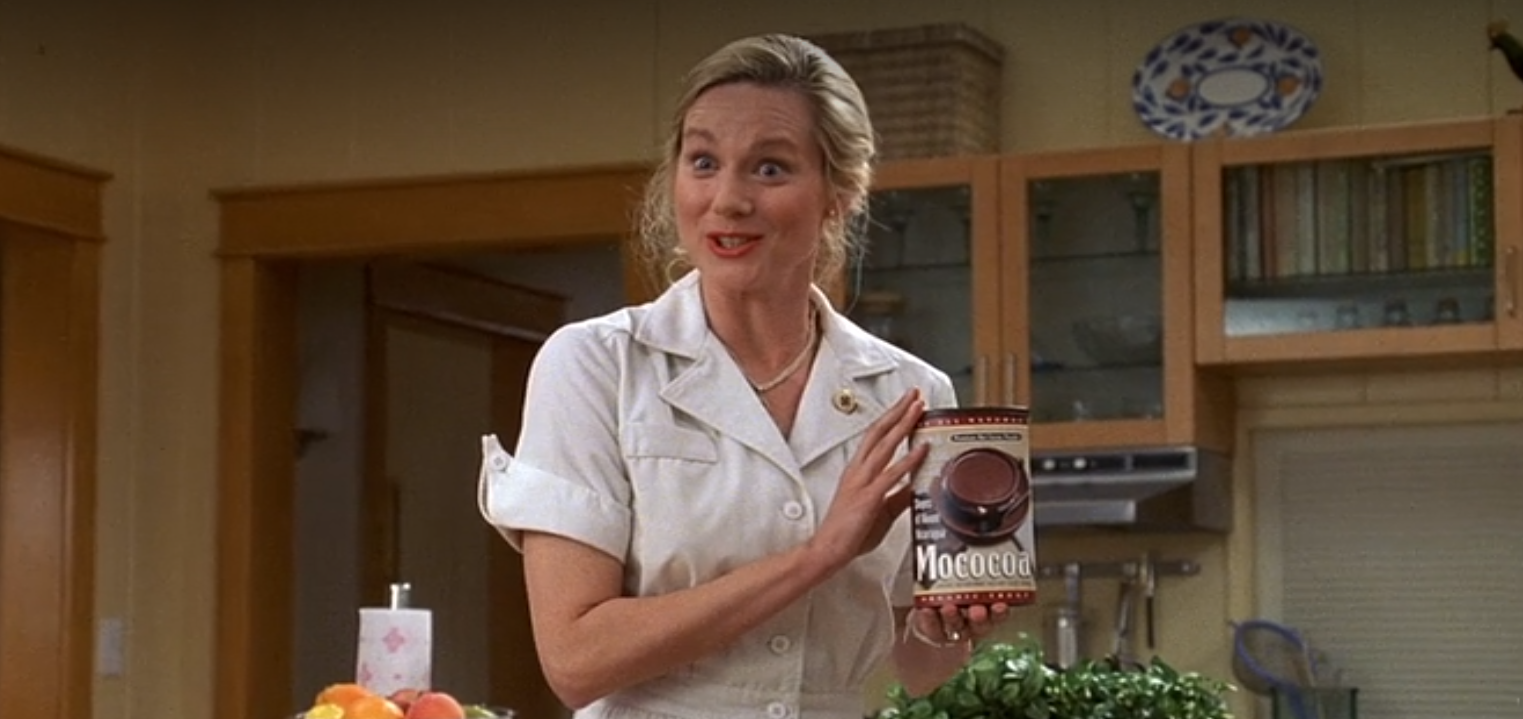
Truman’s wife seems closest to him, yet she recites ad copy instead of real feelings— even when he asks about having a child.
For viewers it’s darkly funny; for Truman it’s the moment he senses his life is off-track.
His best friend Marlon is the same.
Every comfort and piece of advice he offers is fed by Christof.
Even the line “I would never lie to you”
is the most carefully scripted lie of all.
The relationships Truman enjoys are not love, friendship, or empathy—
they are performed emotions.
Parental affection becomes a ratings ploy;
neighbors’ kindness turns on only when needed.
His tears become content, not grief.
Choosing to escape
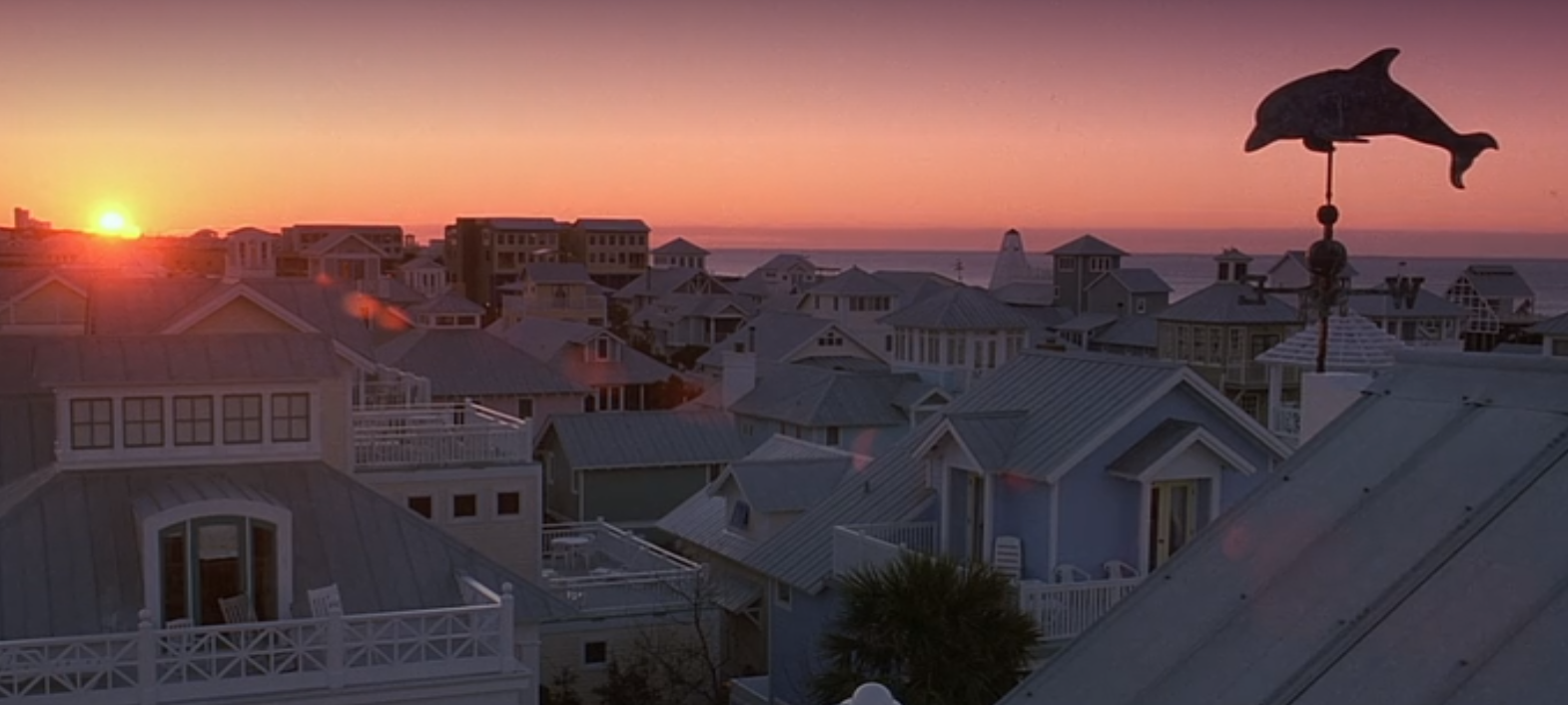
Leaving this fabricated world is not easy.
Abandoning the only world you’ve known for decades
is like escaping an island.
Truman confronts his trauma,
rides into storms and fear on a small boat.
Control-obsessed Christof summons a lethal storm
to stop him to the end.
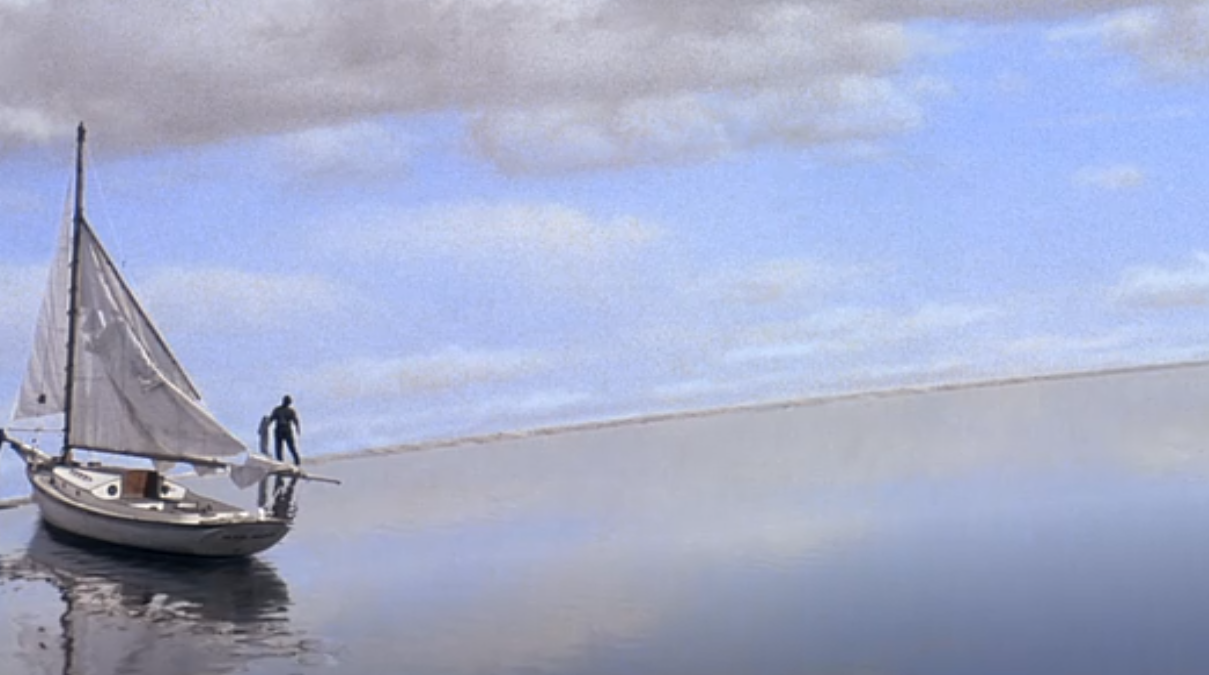
At last Truman reaches the wall at the world’s edge,
bows his head, and carefully feels for the exit.
In that moment, we instinctively side with his choice.
Why we cheer his escape
Truman could have stayed in Seahaven—
predictable, controlled, worry-free.
But the price is clear:
giving up real love and real choice.
The film’s controlled world strips away humanity and love.
Control promises safety while slowly taking the conditions that let a person live as a person.
In case I don’t see ya, good afternoon, good evening, and good night.
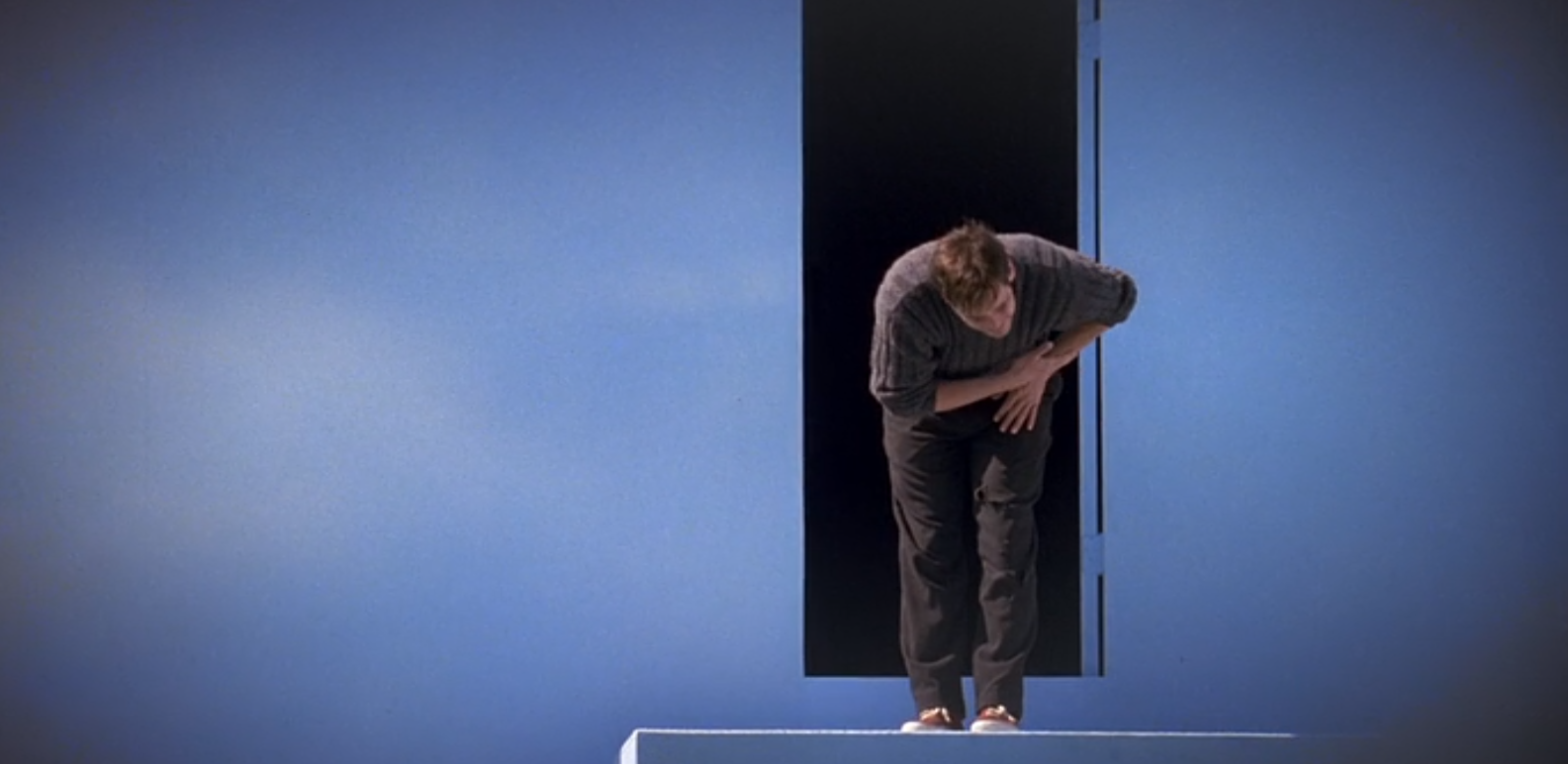
This farewell sounds like a goodbye to the show
and a final rejection of the controlled world—
and at the same time
the first greeting toward a real life.
If we’re living under some form of control
and have grown used to it,
Seahaven might be closer than we think.
Leaving will be scary: trauma, uncertainty, and facing Christof.
But at the end of it, we may finally meet
the real world and our real selves.